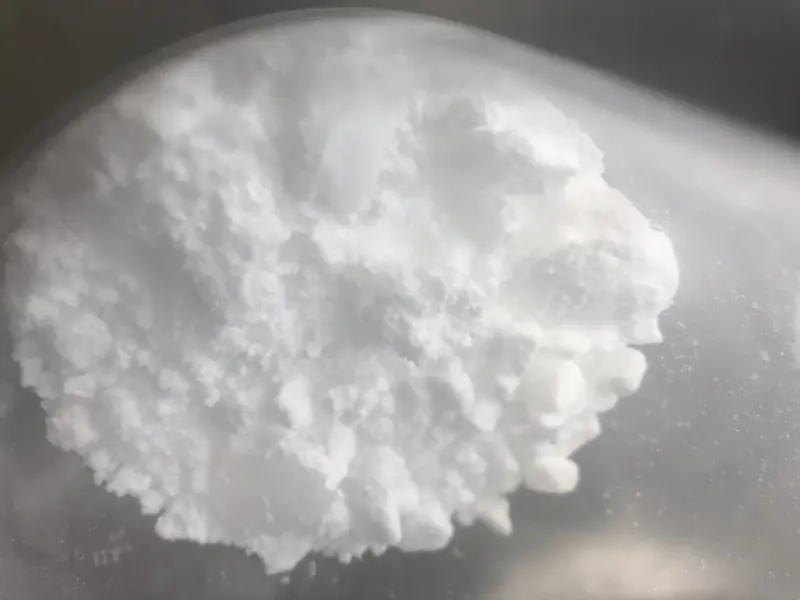
Custom BPC-157 CAS:137525-51-0 - China Suppliers and Factory for Powerful Tissue Repair and Regeneration Manufacturer, Pricelist
BPC-157, a revolutionary peptide, is renowned for its remarkable ability to enhance tissue repair and regeneration. Unlike traditional growth factors, BPC-157 promotes healing through a synergistic combination of multiple mechanisms. This powerful peptide activates several pathways, including angiogenesis (the formation of new blood vessels), accelerates collagen synthesis, regulates the expression of growth factors, and inhibits inflammatory responses. As a result, BPC-157 has emerged as a highly sought-after compound among suppliers in China and beyond. Extensive preclinical studies have demonstrated its extreme safety, with minimal toxicity and no serious side effects observed, even at doses significantly higher than the effective level. As a leading factory specializing in BPC-157, we provide high-quality products that support optimal healing and recovery
The most notable feature of BPC-157 is its powerful ability to promote tissue repair and regeneration. It is not a traditional growth factor, but rather promotes healing through a synergistic effect of multiple mechanisms. It works through various pathways, including promoting angiogenesis (forming new blood vessels), accelerating collagen synthesis, regulating growth factor expression, and inhibiting inflammatory responses. In preclinical studies to date, BPC-157 has shown extremely low toxicity, with no serious side effects observed even at doses far exceeding the effective level.
Therapeutic Areas
Based on extensive preclinical studies (primarily in animal models), BPC-157 has shown great potential in therapeutic areas:
1. Musculoskeletal and soft tissue injuries
Tendon and ligament repair: It has a significant effect on promoting the healing of refractory tendinitis such as Achilles tendinitis, tennis elbow, and rotator cuff injury.
Fracture and bone healing: It can accelerate the healing process after a fracture.
Muscle injury: Effectively reduces recovery time after muscle tearing and alleviates muscle atrophy after injury.
2. Gastrointestinal system
Intestinal damage and disease: It has strong protective and therapeutic effects on gastric ulcers, inflammatory bowel disease (such as ulcerative colitis), leaky intestinal syndrome, and intestinal anastomosis healing. This is its area of origin, and its effects are very clear.
Organ protection: It can reduce liver and intestinal damage caused by alcohol, drugs (such as NSAIDs) or other toxins.
3. Nervous system
Neuroprotection and repair: Studies have shown that it can help protect the brain and spinal cord from damage and may promote the regeneration of peripheral nerves such as the sciatic nerve.
Brain-gut axis regulation: Through its positive effects on the gut, it may have beneficial effects on neurological conditions related to the brain-gut axis, such as anxiety and depression.
4. Cardiovascular system
Cardiac protection: In animal models, it can reduce cardiac damage after myocardial infarction (heart attack) and promote the recovery of cardiac function.
Angiogenesis: Promotes the formation of new blood vessels, which helps improve blood supply to damaged tissues.
5. Oral Health
Periodontal tissue regeneration: Studies have shown that it can promote the regeneration of alveolar bone and periodontal ligaments, and has potential therapeutic value for periodontitis.
Prospects and Development
The prospects for BPC-157 are widely regarded as promising, but its development path still faces challenges.
Positive prospects:
"Broad-spectrum" therapeutic potential: Its multi-target, multi-system mechanism of action makes it a highly attractive candidate drug that could potentially be used to treat a variety of different diseases.
Huge unmet clinical need: Especially in the field of soft tissue injuries such as tendons and ligaments, there is currently a lack of drugs that can effectively promote healing, and BPC-157 has the potential to fill this gap.
A strong safety record: The large amount of safety data accumulated in preclinical studies is an important foundation for its advancement to clinical trials.
It has enormous commercial value: once approved, it will have huge market potential in fields such as sports medicine, orthopedics, gastroenterology and neurology.
Development Challenges and Future Directions:
The lack of large-scale human clinical trials: This is the most critical step. Results from animal studies need to be validated in large-scale, randomized, double-blind, placebo-controlled human clinical trials. Currently, publicly available human trial data is very limited.
Regulatory approval process: An Investigational New Drug (IND) application must be submitted to regulatory agencies such as the FDA, and Phase I, II, and III clinical trials must be completed strictly according to the established procedures to demonstrate its efficacy and safety in humans. This process is time-consuming and costly.
3. Formulation and route of administration optimization: It is necessary to develop optimal formulations and routes of administration (such as topical gels, oral capsules, injections, etc.) for different indications.
4. Precise elucidation of the mechanism of action: Although its multiple functions are known, its precise target and signaling pathway at the molecular level still need to be further clarified.
Frequently Asked Questions (FAQ)
What is the most notable feature of BPC-157?
Its most notable feature is its powerful ability to promote tissue repair and regeneration through a synergistic effect of multiple mechanisms, including angiogenesis, collagen synthesis, and inhibiting inflammation.
Does BPC-157 have any serious side effects?
In preclinical studies to date, BPC-157 has shown extremely low toxicity, with no serious side effects observed even at doses far exceeding the effective level.
How does BPC-157 help with musculoskeletal injuries?
It promotes the healing of refractory tendinitis (like Achilles tendinitis and tennis elbow), accelerates bone healing after fractures, and reduces recovery time and muscle atrophy after muscle tearing.
Can BPC-157 treat gastrointestinal issues?
Yes, the gastrointestinal system is its area of origin. It has strong protective and therapeutic effects on gastric ulcers, inflammatory bowel disease, leaky gut syndrome, and intestinal anastomosis healing.
What are the main challenges for the future development of BPC-157?
The primary challenges include the lack of large-scale human clinical trials, navigating the time-consuming regulatory approval process (like FDA IND applications), optimizing formulations, and precisely elucidating its mechanism of action at the molecular level.
 Thin