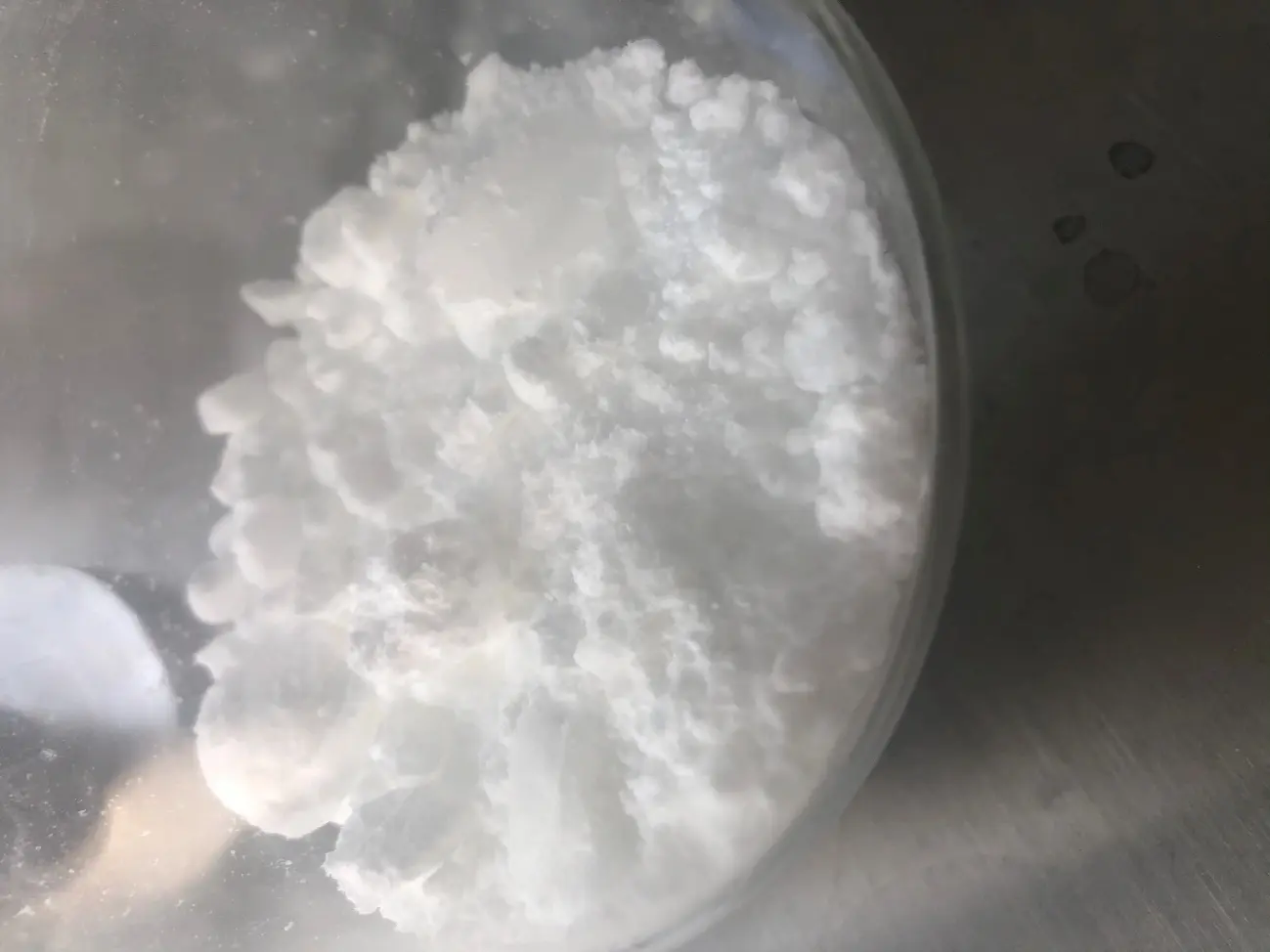
Custom Mots-C Peptide Suppliers in China: 16 Amino Acid Motor-Mimicking Peptide from Factory for Enhanced Metabolism Quotes, Service
Mots-c is an innovative short peptide consisting of 16 amino acids, encoded by a gene found in mitochondrial DNA. This groundbreaking discovery challenges the belief that mitochondrial DNA solely codes for proteins associated with the respiratory chain, **Main Function:** Mots-c serves as a powerful regulator of cellular metabolism, with a particular emphasis on glucose metabolism and insulin sensitivity. Often referred to as a motor-mimicking peptide, it replicates some effects of exercise, making it a valuable addition to metabolic health solutions, **Mechanism of Action:** The peptide primarily activates the AMPK pathway, a crucial energy sensor in cells. This activation enhances glucose uptake, improves insulin sensitivity, and plays a significant role in fatty acid metabolism, As a leading product from China, Mots-c is available through reputable suppliers and factories dedicated to providing high-quality peptides for health and wellness applications. Discover the potential of Mots-c and its impact on metabolic regulation today!
Mots-c is a short peptide composed of 16 amino acids, and its encoding gene is located on mitochondrial DNA. This discovery challenges the conventional wisdom that mitochondrial DNA only encodes respiratory chain-related proteins.
Main Function
The core function of Mots-c is as a regulator of cellular metabolism, particularly in glucose metabolism and insulin sensitivity. It mimics some of the effects of exercise and is therefore also known as a "motor-mimicking peptide".
Mechanism of Action
It primarily functions by activating the AMPK pathway, a key energy sensor within cells. This promotes glucose uptake by cells, improves insulin sensitivity, and influences fatty acid metabolism.
Therapeutic Areas
Based on its powerful metabolic regulation capabilities, research on Mots-c mainly focuses on the following therapeutic areas:
Metabolic Diseases
Type 2 diabetes: This is Mots-c's core research focus. It can significantly improve insulin resistance and lower blood sugar, and has the potential to become a novel antidiabetic drug.
Obesity: Mots-c can promote energy expenditure, reduce fat accumulation, and induce the conversion of white fat into brown fat-like fat (thermogenesis), thereby helping to control weight.
Aging and Related Diseases
Anti-aging / Extending healthy lifespan: Mots-c can improve age-related metabolic decline, enhance the cells' resistance to stress, and has shown the potential to extend healthy lifespan in animal experiments.
Sarcopenia: By improving metabolism and promoting muscle health, it may help combat muscle loss caused by age or disease.
Neurodegenerative diseases: Preliminary studies suggest it may have a protective effect against diseases such as Alzheimer's, mainly by improving brain cell energy metabolism and reducing oxidative stress.
Athletic Performance and Recovery
As a "sports simulator," it has been explored for its use in enhancing physical fitness, improving exercise endurance, and accelerating post-exercise recovery.
Other Potential Areas
Cardiovascular protection, non-alcoholic fatty liver disease, and other diseases closely related to metabolic disorders.
Outlook & Development
Mots-c has a promising future, but it is still in the critical stage of translating from basic research to clinical application.
Opportunities and Prospects
A novel target of action: As the first mitochondrial-derived peptide to be extensively studied, it opens up a completely new path for drug development and has huge market potential.
Targeting the underlying mechanism: It targets the common core of aging and metabolic diseases—the imbalance of cellular energy metabolism—and therefore may have multiple benefits.
The concept of "sports pills": This suggests a treatment option that mimics the benefits of exercise for people who are unable to exercise enough (such as the elderly and those with mobility impairments), and there is a clear market demand for this.
Challenges and Current Situation
Research and development phase: Currently, the vast majority of data comes from preclinical studies (cell and animal experiments). Advancing to human clinical trials is the biggest challenge and the most critical step.
Administration route: As a peptide, it is easily degraded, and issues such as administration route (e.g., low oral bioavailability, usually requiring injection) and stability need to be addressed.
Long-term safety and dosage: The long-term effects, optimal dosage and potential side effects in humans require further investigation.
Industrialization and regulation: How to synthesize or produce this peptide on a large scale and with high quality, and obtain approval from drug regulatory agencies (such as the FDA and NMPA), is the only way to achieve industrialization.
Conclusion
In summary, Mots-c is a revolutionary biological discovery representing a crucial future direction in the fields of metabolic diseases and anti-aging. Its scientific value has been proven, but its true success will depend on the progress and results of clinical translational research in the coming years. It holds the promise of moving from the laboratory to the market as a groundbreaking new therapeutic agent.
Frequently Asked Questions (FAQs)
QWhat is Mots-c?
Mots-c is a short peptide composed of 16 amino acids whose encoding gene is located on mitochondrial DNA.
QHow does Mots-c function in the body?
It acts as a regulator of cellular metabolism by primarily activating the AMPK pathway, which helps promote glucose uptake, improves insulin sensitivity, and influences fatty acid metabolism.
QWhy is Mots-c often referred to as a "motor-mimicking peptide"?
Because it mimics many of the metabolic benefits of exercise, making it a potential "sports pill" for enhancing physical fitness, improving endurance, and accelerating recovery.
QCan Mots-c help with metabolic diseases like diabetes and obesity?
Yes, research suggests it can significantly improve insulin resistance, lower blood sugar for Type 2 diabetes, promote energy expenditure, and reduce fat accumulation for obesity control.
QDoes Mots-c have anti-aging properties?
Studies in animal experiments show it can improve age-related metabolic decline, enhance cellular stress resistance, and potentially extend a healthy lifespan, while also combating conditions like sarcopenia and neurodegenerative diseases.
QIs Mots-c currently available as an approved medication?
Not yet. It is still in the critical stage of translating from preclinical research to human clinical trials. Challenges regarding administration routes, long-term safety, and large-scale industrialization still need to be addressed before regulatory approval.
 Thin