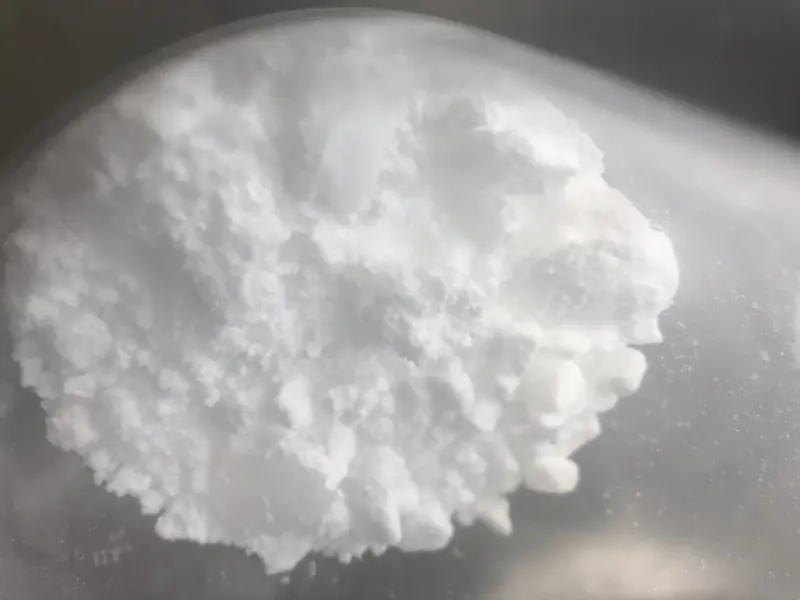
High-Quality BPC-157 CAS 137525-51-0 from Trusted China Suppliers & Factory for Tissue Repair and Regeneration Manufacturer, Manufacturers
BPC-157 is renowned for its remarkable capacity to enhance tissue repair and regeneration, making it a standout option for those seeking healing solutions. Unlike traditional growth factors, it operates through a synergistic combination of mechanisms. The compound works by promoting angiogenesis, which is the formation of new blood vessels, accelerating collagen synthesis, regulating the expression of various growth factors, and effectively inhibiting inflammatory responses. Research indicates that BPC-157 exhibits minimal toxicity, with no significant side effects reported even at doses much higher than those required for efficacy. As a leading product supplied by reliable China suppliers and manufactured in advanced factories, BPC-157 is primed to deliver exceptional results in tissue recovery and overall health improvement
The most notable feature of BPC-157 is its powerful ability to promote tissue repair and regeneration. It is not a traditional growth factor, but rather promotes healing through a synergistic effect of multiple mechanisms. It works through various pathways, including promoting angiogenesis (forming new blood vessels), accelerating collagen synthesis, regulating growth factor expression, and inhibiting inflammatory responses. In preclinical studies to date, BPC-157 has shown extremely low toxicity, with no serious side effects observed even at doses far exceeding the effective level.
Therapeutic Areas
1Musculoskeletal
Tendon and ligament repair: Significant effect on promoting the healing of refractory tendinitis such as Achilles tendinitis, tennis elbow, and rotator cuff injury.
Fracture and bone healing: Accelerates the healing process after a fracture.
Muscle injury: Effectively reduces recovery time after muscle tearing and alleviates muscle atrophy after injury.
2Gastrointestinal
Intestinal damage and disease: Strong protective and therapeutic effects on gastric ulcers, inflammatory bowel disease (such as ulcerative colitis), leaky intestinal syndrome, and intestinal anastomosis healing.
Organ protection: Reduces liver and intestinal damage caused by alcohol, drugs (such as NSAIDs) or other toxins.
3Nervous System
Neuroprotection and repair: Helps protect the brain and spinal cord from damage and may promote the regeneration of peripheral nerves such as the sciatic nerve.
Brain-gut axis regulation: Positive effects on the gut may yield beneficial effects on neurological conditions related to the brain-gut axis, such as anxiety and depression.
4Cardiovascular
Cardiac protection: Reduces cardiac damage after myocardial infarction (heart attack) and promotes the recovery of cardiac function in animal models.
Angiogenesis: Promotes the formation of new blood vessels, helping improve blood supply to damaged tissues.
5Oral Health
Periodontal tissue regeneration: Promotes the regeneration of alveolar bone and periodontal ligaments, showing potential therapeutic value for periodontitis.
Prospects and Development
✓Positive Prospects
"Broad-spectrum" therapeutic potential: Multi-target, multi-system mechanism of action makes it a highly attractive candidate drug for a variety of diseases.
Huge unmet clinical need: Fills the gap in soft tissue injuries (tendons/ligaments) where effective healing drugs are currently lacking.
Strong safety record: Large amount of safety data accumulated in preclinical studies provides a solid foundation for advancing to clinical trials.
Enormous commercial value: Once approved, it holds huge market potential in sports medicine, orthopedics, gastroenterology, and neurology.
⚠Development Challenges & Directions
Lack of large-scale human clinical trials: Animal study results must be validated in large-scale, randomized, double-blind, placebo-controlled human trials.
Regulatory approval process: Must submit an IND application to agencies like the FDA and complete Phase I, II, and III clinical trials, which is time-consuming and costly.
Formulation & route optimization: Need to develop optimal formulations (topical gels, oral capsules, injections, etc.) for different indications.
Precise mechanism elucidation: The precise molecular targets and signaling pathways still need to be further clarified.
Frequently Asked Questions (FAQ)
How does BPC-157 promote tissue repair and regeneration?
BPC-157 works through multiple synergistic pathways. It promotes angiogenesis (the formation of new blood vessels), accelerates collagen synthesis, regulates growth factor expression, and helps inhibit inflammatory responses to speed up healing.
What types of musculoskeletal injuries can BPC-157 help treat?
Based on preclinical studies, BPC-157 has shown significant potential in healing tendon and ligament injuries (such as Achilles tendinitis, tennis elbow, and rotator cuff injuries), accelerating bone healing after fractures, and reducing recovery time for muscle tears and atrophy.
Is BPC-157 effective for gastrointestinal disorders?
Yes, the gastrointestinal system is BPC-157's area of origin. It offers strong protective and therapeutic benefits for gastric ulcers, inflammatory bowel disease (like ulcerative colitis), leaky intestinal syndrome, and helps protect organs like the liver from damage caused by alcohol, drugs, or toxins.
Does BPC-157 have a good safety profile?
In preclinical studies to date, BPC-157 has demonstrated extremely low toxicity. No serious side effects have been observed, even at dosage levels that far exceed the designated effective therapeutic dose.
What are the main hurdles in bringing BPC-157 to the market?
The main challenges include the lack of large-scale, randomized human clinical trials, the costly and time-consuming regulatory approval process (such as FDA IND applications and Phase I-III trials), the need to optimize formulation routes (gels, capsules, injections), and further clarifying its molecular target mechanisms.
 Thin