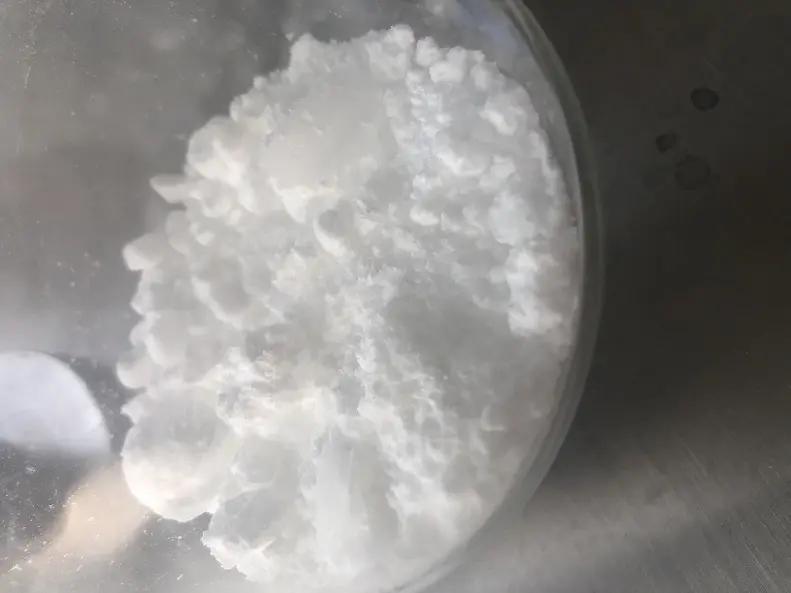
Deslorelin is a synthetic gonadotropin-releasing hormone (GnRH) analog with a potency approximately 30–150 times that of natural GnRH. As a GnRH agonist, it initially and briefly stimulates the pituitary gland to release gonadotropins (the "flare-up" effect). Subsequently, through sustained agonistic action, it leads to pituitary desensitization and downregulation of GnRH receptors, thereby inhibiting the secretion of gonadotropins (LH, FSH) and ultimately suppressing the production of sex steroid hormones.
Veterinary Application (Approved)
Animal Reproductive Management: Widely used for reproductive suppression or estrus cycle regulation in animals such as dogs, cats, and horses, such as suppressing estrus in female dogs and controlling sexual behavior in male horses.
Treatment of Animal Diseases: Used to treat diseases related to sex hormones, such as prostate disease and hyperadrenocorticism in dogs.
Human Medical Applications (Under Research / Development)
Reproductive Endocrine Disorders: Studied for the treatment of hormone-dependent conditions including precocious puberty, endometriosis, and uterine fibroids.
Prostate Cancer and Breast Cancer: As a GnRH agonist, it can theoretically serve as adjuvant therapy for hormone-sensitive tumors, although other analogues such as leuprorelin and goserelin remain more commonly utilized.
Assisted Reproductive Technology: Pituitary downregulation in controlled ovarian stimulation (COS) cycles has been explored, but existing clinical standards rely on alternative GnRH analogs.
Deslorelin, as a GnRH agonist, is currently primarily valued in the veterinary field, particularly as a mature tool for companion animal reproductive control. In human medicine, its development has stalled due to market competition and patent issues. Future breakthroughs may depend on novel delivery systems or targeted therapy innovations, but it is unlikely to change the existing treatment landscape in the short term.
What is Deslorelin?
Deslorelin is a synthetic gonadotropin-releasing hormone (GnRH) analog. It is highly potent, possessing approximately 30–150 times the potency of natural GnRH.
How does Deslorelin work as a GnRH agonist?
It initially stimulates the pituitary gland to release gonadotropins (the "flare-up" effect). With sustained action, it causes pituitary desensitization and downregulates GnRH receptors, which inhibits the secretion of LH and FSH, ultimately suppressing sex steroid hormone production.
What are the approved veterinary applications for Deslorelin?
In veterinary medicine, it is widely approved for animal reproductive management (such as suppressing estrus in female dogs and controlling sexual behavior in male horses) and treating sex hormone-related conditions like prostate disease and hyperadrenocorticism in dogs.
Is Deslorelin used in human medicine?
While it has been studied for reproductive endocrine disorders, hormone-sensitive tumors (prostate and breast cancer), and assisted reproductive technology, its development in human medicine has largely stalled, and other GnRH analogs are more commonly used clinically.
Why has the development of Deslorelin stalled in human medicine?
Its advancement in human medicine has primarily stalled due to strong market competition from other established analogs (like leuprorelin and goserelin) and various patent issues.
What is the future outlook for Deslorelin?
Future breakthroughs for Deslorelin may rely on the development of novel delivery systems or targeted therapy innovations. However, it is unlikely to significantly alter the existing medical treatment landscape in the short term.
 Thin