 Thin
1 / 1
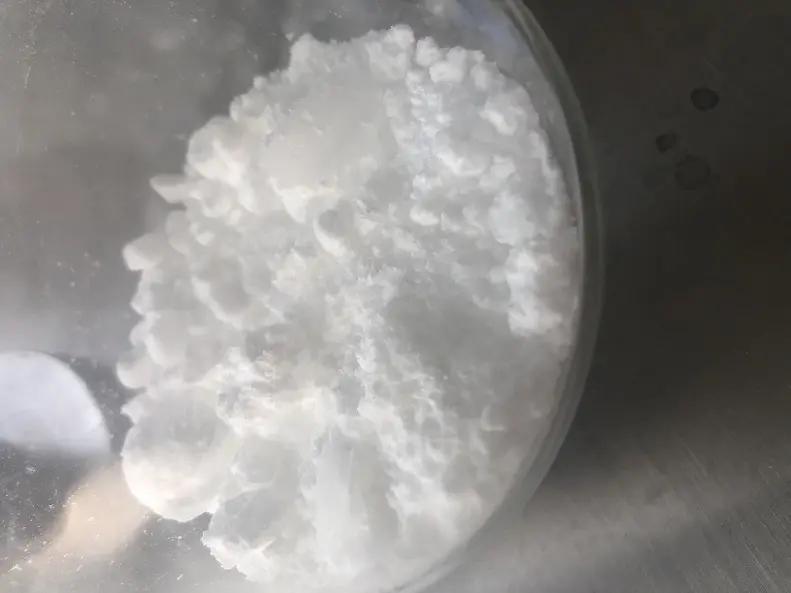
Teduglutide is a medication used to treat short bowel syndrome (SBS) in patients who require parenteral support (intravenous nutrition or fluids). It is a glucagon-like peptide-2 (GLP-2) analog that helps the intestines absorb more fluids and nutrients.
The glucagon-like peptide 2 analogue teduglutide is an effective drug for the treatment of short bowel syndrome patients with intestinal failure (SBS-IF). This intestinotrophic peptide improves intestinal capacity for fluid and nutrient absorption through induction of mucosal growth and reduction of gastrointestinal motility. Clinical trials demonstrated the efficacy of teduglutide in reducing the need for parenteral support (PS). This study describes an SBS-IF patient population receiving teduglutide therapy in a specialized medical care setting.
A retrospective analysis was performed using data of patients experiencing nonmalignant SBS-IF. They were treated with teduglutide in a multidisciplinary SBS-IF program at a single university medical center between June 2016 and June 2020.
Integrating SBS-IF patients treated with teduglutide in a proactive and tight-meshed patient care program significantly improves the clinical outcome, leading to an increased proportion of patients reaching enteral autonomy.
Teduglutide is highly effective in treating patients with SBS-IF. In addition to the results of previous studies that demonstrated significant reductions of the PS, this study provides evidence that the integration of this heterogeneous patient population into a multiprofessional team spearheaded by a dietitian enables enteral autonomy under teduglutide therapy in nearly all treated patients. Enteral autonomy, as the final goal of a treat-to-target strategy, seems necessary, as it results not only in a decreased morbidity and mortality but also in improvement of QoL and may reduce the socioeconomic burden.
What is Teduglutide used for?
Teduglutide is a medication used to treat short bowel syndrome (SBS) in patients who require parenteral support, such as intravenous nutrition or fluids.
How does Teduglutide work in the body?
It is a glucagon-like peptide-2 (GLP-2) analog that improves the intestinal capacity for fluid and nutrient absorption by inducing mucosal growth and reducing gastrointestinal motility.
How is Teduglutide administered to patients?
Teduglutide is administered by subcutaneous injection, which means it is injected right under the skin.
What is the primary goal of Teduglutide therapy?
The primary goal is to significantly reduce the need for parenteral support (PS) and ultimately help patients reach enteral autonomy.
Why is reaching enteral autonomy important?
Reaching enteral autonomy decreases morbidity and mortality, improves the patient's Quality of Life (QoL), and may reduce the socioeconomic burden associated with the condition.
Can anyone use Teduglutide?
No, Teduglutide is a prescription medication and must only be used under the direct guidance and supervision of a healthcare professional.




