Explore high-purity research and therapeutic peptide standards synthesized under stringent analytical process controls.





A comprehensive examination of Amyloid Beta (Aβ) peptides in neurodegenerative pathology, structural nucleation cascades, and commercial manufacturing barriers.
The pathophysiology of Alzheimer's disease (AD) is governed by the cleavage of amyloid precursor protein (APP) by β- and γ-secretase complexes. The primary alloforms produced are Amyloid Beta 1-40 and Amyloid Beta 1-42. While Aβ40 is more abundant in physiological cerebrospinal fluid, Aβ42 features two hydrophobic amino acid residues (Ile41 and Ala42) at its C-terminus, conferring a dramatically accelerated oligomerization and fibrillogenesis kinetic profile.
Modern clinical oncology and neurodegenerative paradigms have pivoted from insoluble mature senile plaques toward diffusible, low-molecular-weight Aβ oligomers (dimers, trimers, and dodecamers / Aβ*56). These intermediate species bind with high affinity to synaptic receptors (such as EphB2, NMDA, and cellular prion protein PrPC), inhibiting long-term potentiation (LTP), triggering hyperphosphorylation of Tau protein, and inducing synaptic collapse.
Recent regulatory milestones—including the accelerated and traditional approvals of anti-amyloid monoclonal antibodies (such as Lecanemab, Donanemab, and Aducanumab)—have established unequivocal clinical proof-of-concept for amyloid targeting. These biologics demand ultra-characterized, structurally homogenous synthetic Amyloid Beta peptides to calibrate clinical pharmacokinetic assays, surface plasmon resonance (SPR) kinetic profiling, and immunogenicity controls.
Procuring synthetic Amyloid Beta peptides entails navigating intricate biochemical variables far beyond standard chemical synthesis. Below are the mandatory technical audits required by top biopharmas and diagnostics developers.
Synthetic Aβ peptides naturally accumulate seeding nuclei during post-cleavage lyophilization. Sourcing managers must demand verified Hexafluoroisopropanol (HFIP) or Trifluoroacetic acid (TFA) pre-treatment protocols, accompanied by SEC-HPLC (Size-Exclusion Chromatography) data confirming a strictly monomeric initial state without pre-formed aggregates.
Residual TFA salts from preparative reverse-phase HPLC are profoundly cytotoxic to neuronal cultures, skewing cellular viability assays. Qualified procurement mandates complete counter-ion exchange to Acetate or Hydrochloride salts, verified via ion chromatography to < 0.5% residual TFA content.
Quantitative liquid chromatography-tandem mass spectrometry (LC-MS/MS) and biomolecular NMR spectroscopy rely on stable isotope-labeled standards (SIL-Aβ). Factory syntheses must guarantee >99% isotopic enrichment and comprehensive MS/MS fragmentation profiling to guarantee no mass-shift crosstalk in multiplexed diagnostics.
Every commercial or research lot must be accompanied by an authenticated Certificate of Analysis (CoA) containing analytical RP-HPLC purity (≥95% or ≥98%), High-Resolution ESI-MS or MALDI-TOF MS spectrum, Net Peptide Content determination via Amino Acid Analysis (AAA), Karl Fischer water titration, and bacterial endotoxin testing (<10 EU/mg).
| Analytical Attribute | Standard Research Grade | Diagnostic / Reference Grade | cGMP Commercial Standard | Validation Instrument |
|---|---|---|---|---|
| HPLC Chromatographic Purity | ≥ 95.0% | ≥ 98.0% | ≥ 99.0% | UHPLC with Dual C18 / Diphenyl Columns |
| Aggregation Baseline (t=0) | Not specified | > 95% Monomeric by SEC | > 99% Monomeric (HFIP Treated) | SEC-UHPLC + Thioflavin-T Fluorometry |
| Residual Counter-Ion | TFA Salt (< 5%) | Acetate / HCl Exchanged (< 1%) | Controlled Salt (< 0.5% Residual TFA) | Ion Chromatography (IC) |
| Net Peptide Content | 65% - 75% | 75% - 85% | Strictly Quantified (±2% target) | Quantitative Amino Acid Analysis (AAA) |
| Endotoxin Bioburden | Not tested | < 50 EU/mg | < 5 EU/mg / Sterile Lyophilized | Kinetic Turbidimetric LAL Assay |
Leveraging continuous flow synthesis, advanced PAT analytics, and domestic upstream supply ecosystems to provide unprecedented scalability and price-to-performance metrics.
The synthesis of Amyloid Beta is notoriously challenging due to sequence-specific on-resin aggregation occurring around residues 17-21 (LVFFA) and 35-42 (MVGGVVIA). Our Industry 4.0 production base employs automated heating-assisted flow Solid-Phase Peptide Synthesis (SPPS) with pseudoproline and isoacyl dipeptide building blocks, suppressing interchain β-sheet formation and boosting crude purity from <30% to over 85%.
Real-time UV-Vis and inline mass spectrometers monitor coupling and deprotection completeness at every single amino acid addition step. Coupled with digital twins in automated preparative chromatography systems, dynamic peak-fractionation algorithms isolate truncations and enantiomeric impurities (such as D-His or D-Ser diastereomers) with unprecedented chromatographic resolution.
Positioned within China's foremost biopharmaceutical corridor in Hangzhou, our multi-ton synthesis facilities maintain direct upstream vertical integration for Fmoc-protected amino acids, coupling reagents (HCTU, HATU, PyBOP), and specialty solid supports (Wang, 2-Chlorotrityl, Rink Amide resins). This mitigates raw material price shocks and ensures commercial batch consistency across multi-kilogram commitments.
How global pharmaceutical companies, contract research organizations (CROs), and IVD manufacturers integrate high-quality synthetic Amyloid Beta peptides into clinical translation.
Essential as pure calibrators and control antigens in ELISA, chemiluminescence immunoassay (CLIA), Single Molecule Array (Simoa), and mass spectrometry platforms measuring Aβ42/Aβ40 ratios in cerebrospinal fluid and peripheral blood plasma for early Alzheimer's detection.
High-throughput screening (HTS) campaigns targeting small-molecule aggregation inhibitors, fibril disrupters, or molecular chaperones rely on highly reproducible Thioflavin T (ThT) fluorescence aggregation assays requiring verified monomeric peptide batches.
Immunogen development and binding affinity characterization for next-generation conformation-specific monoclonal antibodies targeting protofibrils, N-terminally truncated pyroglutamate forms (AβpE3-42), or phosphorylated variants via surface plasmon resonance (Biacore).
Microinfusion and stereotaxic cerebral injection of defined oligomeric or pre-formed fibrillar (PFF) Aβ assemblies in rodent models to study downstream microglial activation, neuroinflammation, astrogliosis, and synaptic tau spreading.
Essential guidance addressing solubility protocols, storage constraints, sequence purity challenges, and CDMO contract options.
The presence of two additional hydrophobic C-terminal amino acids (Ile41-Ala42) drastically alters the biophysical behavior of the peptide chain during solid-phase synthesis. The nascent peptide forms dense intra- and inter-chain hydrophobic β-sheet networks on the polymer support, leading to incomplete acylation and premature peptide truncation. Our automated microwave SPPS and optimized pseudoproline dipeptide building blocks eliminate these hydrophobic folding barriers, achieving superior raw crude purity.
To ensure a reliable monomeric starting state, the lyophilized peptide powder should first be dissolved in 100% 1,1,1,3,3,3-hexafluoro-2-propanol (HFIP) at 1-2 mg/mL, sonicated, and incubated at ambient temperature for 1 hour to dissociate existing seeds. The clear solution is evaporated under dry nitrogen gas or vacuum centrifuge to yield a clear peptide film, which is then stored at -80°C. Immediately before assay use, the film is resuspended in DMSO or 10-20 mM NaOH, followed by immediate neutralization with physiological buffer (PBS, pH 7.4).
Peptides synthesized by reverse-phase HPLC with standard TFA buffer yield trifluoroacetate salts. TFA has been proven to suppress neuronal electrophysiology and induce non-specific cell membrane lysis. For primary neuron or microglial cell cultures, we strongly advise purchasing Acetate (AcO-) or Hydrochloride (HCl) exchanged peptides, which prevent false-positive cytotoxicity reads while retaining physiologically relevant aggregation kinetics.
Yes. We specialize in custom modifications including N-terminal fluorescent tags (HiLyte Fluor 488/555/647, FAM, FITC, Rhodamine, Cy5), Biotinylation for surface capture assays, stable isotopes (15N, 13C uniform and site-specific amino acid labeling for NMR/LC-MS), and disease-relevant pathogenic mutants (Arctic E22G, Dutch E22Q, Iowa D23N, pyroglutamate AβpE3-42).
Every batch includes an extensive analytical dossier containing analytical RP-HPLC traces demonstrating purity ≥95% or ≥98%, High-Resolution ESI-MS or MALDI-TOF mass spectra confirming exact molecular weight, Net Peptide Content quantified by Amino Acid Analysis (AAA), Karl Fischer moisture content, and residual counter-ion content certified by ion chromatography.
Catalog research-grade quantities (1 mg to 100 mg) are readily dispatched within 24 to 48 hours under temperature-controlled cold-chain shipping. Custom synthesis, specialized counter-ion exchange, isotopic labeling, or large-scale multi-gram to kilogram campaigns for diagnostic manufacturing typically require 2 to 4 weeks from sequence approval to release testing.
Explore our multi-ton synthesized peptide portfolio, spanning dual/triple incretin agonists, neuroprotective peptides, and sustained-release actives.
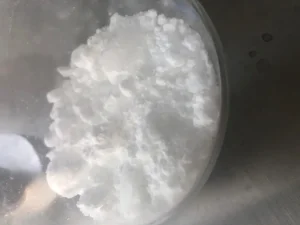
Combining 20 years of team leadership experience, a dedicated multi-ton chemical synthesis infrastructure, and specialized CDMO technical teams to satisfy the world's most rigorous peptide requirements.
Access our comprehensive compendium of research standards, generic peptide APIs, GLP-1/GLP-2 incretins, and custom modification services.
Download CatalogConsult directly with our peptide process chemists regarding counter-ion options, pre-treatment strategies, and batch release criteria.
Speak to a SpecialistSubmit inquiries for commercial campaigns, multi-kilogram generic supplies, or long-term therapeutic CDMO outsourcing agreements.
Request Bulk Pricing Thin