Pre-qualified commercial peptide APIs and custom sequence analogues manufactured under stringent cGMP and ISO guidelines for global pharmaceutical formulation pipelines.
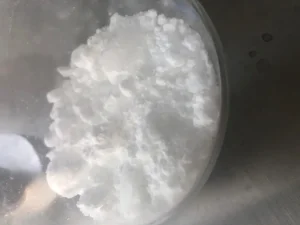




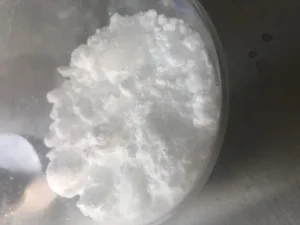
Evaluating the tectonic shift from niche glycemic regulators to multi-hundred-billion-dollar systemic metabolic therapies.
Glucagon-Like Peptide-1 (GLP-1) receptor agonists and their structural analogues represent one of the most transformative pharmacological classes in modern medicine. Originally elucidated as gut-derived incretin peptides responsible for glucose-dependent stimulation of insulin secretion, modern synthetic GLP-1 analogues have evolved far beyond glycemic stabilization for Type-2 Diabetes Mellitus (T2D). Today, molecules such as Semaglutide, Tirzepatide, Liraglutide, and emerging oral agonists like Orforglipron dominate clinical paradigms in chronic obesity management, metabolic dysfunction-associated steatohepatitis (MASH), cardiovascular event risk mitigation, and neurodegenerative disease prevention.
According to macroeconomic pharmaceutical data, global sales of GLP-1 receptor agonists exceeded USD $38 billion in 2023 and are conservatively forecasted to surpass USD $125 billion by 2030. However, this clinical demand has exposed acute vulnerabilities in legacy biopharmaceutical supply chains. Chemical solid-phase peptide synthesis (SPPS) of complex 30- to 40-amino-acid chains modified with lipophilic side-chains (such as the di-carboxylic octadecanedioic acid spacer on Semaglutide) requires unprecedented quantities of protected amino acids, specialized coupling reagents (HCTU, PyBOP, Oxyma/DIC), and high-titer chromatographic resins. Global pharmaceutical procurers are actively diversifying away from single-source dependence, seeking scalable, regulatory-compliant Contract Development and Manufacturing Organizations (CDMOs) with proven multi-ton output capacity.
Global patient populations receiving continuous incretin therapy are expanding at a compound annual rate of >26%. As indications expand to pediatric obesity, cardiovascular risk reduction, and obstructive sleep apnea, API volume requirements are transitioning from hundred-kilogram batches to multi-ton annualized campaigns.
Traditional recombinant fermentation lines suffer from prolonged facility construction timelines and rigid production flexibility. Conversely, legacy small-scale chemical synthesis struggles with solvent consumption and impurity accumulation, necessitating advanced hybrid SPPS/LPPS technological infrastructure.
Key primary compound patents for early-generation GLP-1 analogues begin expiring across diverse global territories between 2026 and 2031. Generic dossiers, Form M filings, and commercial formulation contracts require pre-validated active pharmaceutical ingredient (API) supply pipelines right now.
How state-of-the-art Chinese synthesis hubs combine full upstream raw material integration with advanced process analytical technology (PAT) to outcompete traditional Western CDMOs.
The manufacturing of commercial peptide APIs at multi-ton scale requires complete vertical integration across the entire chemical tree. Unlike European or North American peptide facilities that rely on imported Fmoc-protected amino acids, coupling additives, and customized side-chain linkers, leading specialized manufacturers in China—such as Hangzhou Thinheal Pharma-Tech Co., Ltd.—operate at the geometric center of global chemical raw material production. Founded in 2019 by leadership veterans carrying nearly 20 years of dedicated peptide industry experience, Thinheal commands dedicated R&D centers and synthesis bases with validated multi-ton annual capacities.
Through the integration of modern automated Solid-Phase Peptide Synthesis (SPPS) platforms with continuous-flow Liquid-Phase Peptide Synthesis (LPPS) fragment condensation, China's elite manufacturing base minimizes critical impurities including D-enantiomers, beta-aspartyl rearrangements, and des-amino acid truncated sequences. Furthermore, proprietary solvent recycling systems and green peptide chemistry protocols slash DMF (Dimethylformamide) and NMP (N-Methyl-2-pyrrolidone) consumption by over 45%, translating directly into unassailable cost efficiencies and price stability for long-term supply agreements.
Direct domestic access to amino acid building blocks, protected side chains, octadecanedioic acid monohydroxy derivatives, and high-swelling resin substrates eliminates import delays and tariffs.
Automated peptide synthesizers ranging from 50L to 3,000L reaction vessels feature continuous online monitoring of deprotection and coupling kinetics via in-line UV-spectrophotometry.
Axial compression DAC columns (up to 1,000 mm diameter) combined with dual-stage reverse-phase silica and ion-exchange polishing achieve consistent chromatographic purity ≥99.5%.
Full validation under ICH Q7 guidelines. Complete analytical dossier compilation: LC-MS high-resolution mass spec, 2D NMR, chiral HPLC enantiomer purity, and low residual TFA control.
Chemical peptide production base in Hangzhou, China
Single max individual impurity strictly capped below 0.1%
Technical route design, regulatory filing & cGMP leadership
USA & EU, Russia & CIS, Asia, Middle East & East Asia
Detailed pharmacological mapping across primary, secondary, and tertiary clinical indications fueling international commercial procurement.
GLP-1 analogues restore physiological beta-cell glucose sensitivity, inhibit postprandial glucagon secretion from alpha-cells, and retard gastric emptying. Essential for standard-of-care Type-2 diabetes injectable pens and oral tablets containing permeation enhancers like SNAC.
Centrally mediated hunger suppression via pro-opiomelanocortin (POMC) neuronal activation in the hypothalamus. Clinical trials demonstrate sustained weight loss ranging from 15% to >22% with advanced unimolecular GLP-1/GIP co-agonists like Tirzepatide.
Incretin signaling decreases de novo lipogenesis in hepatocytes and significantly attenuates liver inflammation and fibrogenesis. Clinical development of dual GLP-1/Glucagon co-agonists (e.g., Survodutide) offers breakthrough therapeutic efficacy for advanced steatohepatitis.
Anticipating structural shifts in pharmaceutical pipelines: Unimolecular poly-agonism and oral bioavailable non-peptides.
| Target Compound / Class | CAS Number | Receptor Mechanism | Synthesis Complexity | Commercial Sourcing Trajectory |
|---|---|---|---|---|
| Semaglutide | 910463-68-2 | Selective GLP-1R Mono-Agonist | 31 AA backbone + AEEA-AEEA-γGlu-C18 diacid spacer | Mass commercial API; multi-ton generic validation batches underway globally. |
| Tirzepatide | 2023788-19-2 | Dual GIP / GLP-1 Receptor Co-Agonist | 39 AA backbone containing two Aib residues + C20 diacid linker | Fastest growing demand profile; requires robust fragment condensation strategies. |
| Orforglipron | 2212020-52-3 | Oral Non-Peptidic Small Molecule GLP-1R | Complex chiral multi-ring organic chemical synthesis | Revolutionizing compliance; eliminates cold-chain logistics and injector devices. |
| Survodutide | 2805997-46-8 | Dual GLP-1 / Glucagon Receptor Co-Agonist | 29 AA sequence optimized for metabolic and hepatic clearance | Leading clinical trials for MASH/NASH and aggressive non-surgical weight loss. |
| Retatrutide | 2381089-83-2 | Triple GIP / GLP-1 / Glucagon Agonist | 39 AA chain with three distinct biological receptor affinities | Next-generation clinical benchmark showing >24% total body mass reduction. |
A transparent breakdown of production scales, cost drivers, purity benchmarks, and procurement lead times for formulation engineers and procurement directors.
Peptide active pharmaceutical ingredient quotes differ substantially from commodity small molecules. The pricing of GLP-1 receptor agonist peptides (such as Semaglutide, Tirzepatide, or custom investigative sequences) is dictated by three primary technical variables: 1. Target Salt / Counter-Ion Form (Acetate salt for injectables, TFA salt for analytical R&D, or specialized hydrochloride formulations); 2. Enantiomeric & Sequence Purity Thresholds (≥98.0% standard research grade vs. ≥99.5% cGMP grade with each unspecified impurity <0.10%); and 3. Batch Scale Commitment.
Because automated synthesis cycles utilize significant initial priming volumes of specialized solvents and coupling resins, commercial batch orders scale with massive cost economies. Below is the indicative industrial procurement pricing and lead-time schedule for high-titer GLP-1 analogue series:
| Procurement Tier | Batch Volume Range | Target Specification | Estimated Indicative Price Range | Factory Lead Time | Included Documentation |
|---|---|---|---|---|---|
| Pre-Clinical / Pilot Screening | 10g – 100g | Purity ≥98.0%, TFA or Acetate Form | $120 – $220 / gram | 2 – 3 Weeks | Batch CoA, HPLC Purity, MS Identification, Lyophilization Profile |
| Formulation Development (Pre-IND) | 100g – 1,000g | Purity ≥99.0%, Low Endotoxin (<5 EU/mg) | $75 – $130 / gram | 3 – 4 Weeks | CoA, LC-MS, Enantiomeric Chiral Profile, Residual Solvents (GC-HS) |
| Clinical Validation & Pilot GMP | 1 kg – 10 kg | Purity ≥99.5%, Acetate salt, Sterile Grade | $38 – $70 / gram | 5 – 7 Weeks | Complete Drug Substance Dossier, ICH Q1A Stability, PAT Traceability |
| Commercial Multi-Ton Contracts | >10 kg / Annual Campaigns | Purity ≥99.5%, Ultra-low host DNA/Bioburden | Custom Volume Contract Quote | Scheduled Delivery | Full DMF / EDMF support, Site Audit Rights, Full Regulatory Assurance |
Essential technical verification checkpoints established by Thinheal's analytical laboratories to ensure zero regulatory failure in downstream injectable and oral formulations.
Never accept simple total area percentage without full chromatograms. Qualified vendors must demonstrate resolution of difficult insertion sequences, deamidation products, and racemized D-amino acid diastereomers via validated chiral HPLC-UV and HRMS.
Gross weight does not equal therapeutic peptide mass. Lyophilized peptides inherently retain bound counter-ions (acetate, trifluoroacetate) and residual moisture. Thinheal provides clear elemental nitrogen analysis and Karl Fischer titration to calculate true dosage potency.
Trifluoroacetic acid (TFA) is cytotoxic and prohibited in high concentrations for commercial parenterals. Sourcing managers must demand verified conversion to pharmaceutical-grade acetate salt, with residual TFA documented below 0.25% (or non-detectable).
Headspace Gas Chromatography (GC-HS) profiling must verify strict ICH Q3C compliance for Class 2 and Class 3 solvents: Dimethylformamide (DMF ≤880 ppm), Dichloromethane (DCM ≤600 ppm), Acetonitrile (≤410 ppm), and diisopropylethylamine.
For ready-to-fill formulations, bacterial endotoxins must be quantified using turbidimetric or chromogenic Limulus Amebocyte Lysate (LAL) testing, certifying levels strictly below <5.0 EU/mg (custom batch limits <0.5 EU/mg available on request).
Confirm that your CDMO partner provides full Chemistry, Manufacturing, and Controls (CMC) documentation packages, ICH stability data under accelerated and long-term storage, and open audit permissions for independent quality units.
Direct technical answers from Thinheal's regulatory and synthesis engineering team for global procurement directors and formulation researchers.
Explore our multi-ton synthesized portfolio covering metabolic agonists, immune modulators, neuro-active peptides, and synthetic hormone analogs.
Connect directly with Hangzhou Thinheal's Senior Peptide Synthesis Engineers and Regional Regulatory Directors. We provide batch-specific HPLC/MS chromatograms, competitive tiered quotes, and end-to-end CDMO project scheduling within 24 business hours.
 Thin