Immediate procurement and CDMO scale-up batches matching enterprise Pharmacopeial monograph purity specifications (≥99.0% by RP-HPLC). Factory direct quotes available across metabolic and therapeutic series.



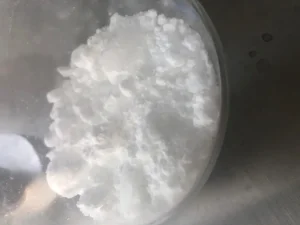
Originally identified as the metastasis suppressor metastin in melanoma cell lines, Kisspeptins have emerged as the foundational master switch governing the human reproductive endocrine cascade through upstream control of Gonadotropin-Releasing Hormone (GnRH). Deciphering the structure-activity relationship (SAR) across Kisspeptin-54 (KP-54), Kisspeptin-14, and the pharmacologically potent decapeptide Kisspeptin-10 (KP-10) is driving therapeutic revolutions across reproductive pharmacology, oncological suppression, and metabolic homeostasis.
Kisspeptin acts upstream of traditional hypothalamic regulators. By binding specifically to the G-protein coupled receptor KISS1R (formerly GPR54), it activates the Gαq/11-phospholipase C-protein kinase C (PLC-PKC) cascade, mobilizing intracellular calcium and causing pulsatile release of GnRH into the hypophyseal portal bloodstream.
This biological hierarchy ensures physiologic LH and FSH surge initiation, presenting a profound therapeutic mechanism over direct GnRH super-agonism by circumventing pituitary desensitization and mitigating hyperstimulation risks.
All biological Kisspeptin fragments derive from the 145-amino acid precursor prepro-kisspeptin. Cleavage yields KP-54, KP-14, KP-13, and KP-10 (Tyr-Asn-Trp-Asn-Ser-Phe-Gly-Leu-Arg-Phe-NH2).
The C-terminal decapeptide contains the entire receptor binding and signal activation footprint. Amidation of the C-terminal Phe residue is mandatory for functional affinity. Our chemical modifications replace labile amide linkages with stable mimics, overcoming the rapid in vivo half-life of native peptides.
Native kisspeptins suffer from rapid enzymatic cleavage by neutral endopeptidases (NEP) and matrix metalloproteinases. Modern medicinal chemistry integrates D-amino acid substitutions, N-methylation, and fatty diacid side-chain acylation (analogous to modern GLP-1 platforms).
These stabilized analogues (e.g., MVT-602, TAK-448) achieve extended half-lives from minutes to several hours, transforming kisspeptin molecules into viable, self-administered subcutaneous therapeutic drugs.
International biotech entities and global procurement desks evaluate peptide API manufacturers not solely on price per gram, but through the rigorous lens of Total Cost of Ownership (TCO), analytical batch reproducibility, and multi-jurisdictional compliance. The technical complexity of Kiss Peptides demands advanced synthesis infrastructure.
Due to the presence of hydrophobic residues, sterically demanding phenylalanine domains, and reactive indole/guanidine side chains in kisspeptin sequences, secondary beta-sheet aggregation frequently induces incomplete couplings.
Enterprise sourcing requires strict quantification of deletion sequences [des-Gly], [des-Leu], D-enantiomeric racemization thresholds (≤0.5%), and beta-aspartyl rearrangement products. Suppliers must validate complete chromatographic resolution across both crude and purified states.
Standard cleavage cocktails yield high Trifluoroacetic Acid (TFA) salt adducts toxic to cellular bioassays and clinical formulations. Sourcing guidelines mandate controlled exchange to Acetate (AcOH) or Hydrochloride (HCl) matrices.
Thinheal delivers net peptide contents certified between 80% to 90%, residual TFA content controlled strictly below 0.1% or 1000 ppm, and water content optimized through specialized lyophilization cycles to inhibit hydrolytic degradation during transit.
Navigating FDA 21 CFR Part 211, EMA Volume 4, and ICH Q7 guidelines requires structured CMC documentation. Enterprise procurement prioritizes CDMO partners capable of providing comprehensive DMF filings.
Our quality assurance systems provide full validation dossiers including High-Resolution MS, 2D 1H/13C NMR, LC-MS/MS fragment maps, Karl Fischer titration, residual organic solvent chromatography (USP <467>), and robust stability test protocols under ICH Q1A(R2) conditions.
Hangzhou Thinheal Pharma-Tech Co., Ltd. represents the cutting edge of industrial biomanufacturing. Combining twenty years of leadership expertise with automated solid-phase synthesizer matrices and cleanroom containment, we redefine yield efficiency, environmental sustainability, and commercial security.
Thinheal integrates Solid-Phase Peptide Synthesis (SPPS) with proprietary Liquid-Phase Segment Condensation (LPPS) architectures. Utilizing 3000L to 5000L glass-lined reactor trains equipped with real-time UV-monitored Fmoc-deprotection feedback loops, our systems suppress aggregation kinetics in challenging kisspeptin sequences.
This closed-loop automated synthesis delivers single-coupling conversion efficiencies surpassing 99.4%, reducing solvent consumption (DMF/NMP) by 42% and eliminating lot-to-lot amino acid deletion errors during commercial manufacturing campaigns.
Purification represents the primary bottleneck in therapeutic peptide scalability. Thinheal operates industrial Dynamic Axial Compression (DAC) column columns spanning diameters from 300mm to 1000mm, packed with high-efficiency spherical reverse-phase C18/C8 silica matrices.
Our dual-stage preparative HPLC separation achieves baseline resolution of isomeric side products, followed by class 100 sterile isolation suites with multi-square-meter industrial freeze-dryers, providing consistent cake morphology, uniform density, and instant reconstitution kinetics.
| Analytical Parameter | USP / Ph. Eur. Pharmacopeia Target | Thinheal Enterprise Standard (In-House) | Methodology / Analytical Platform |
|---|---|---|---|
| HPLC Chromatographic Purity | ≥ 98.0% main peak area | ≥ 99.2% (Individual impurity ≤ 0.5%) | RP-HPLC (C18 4.6x250mm, Multi-wavelength UV) |
| Mass Spectrometry Identity | Theoretical MW ± 1.0 Da | Conforms precisely to Monoisotopic Mass | High-Resolution ESI-Q-TOF-MS |
| Bacterial Endotoxin | < 5.0 EU / mg API | < 0.05 EU / mg API (Injectable Grade) | Kinetic Turbidimetric Limulus Amebocyte Lysate |
| Net Peptide Content | ≥ 70.0% | 82.0% – 88.0% certified | Elemental Nitrogen Analysis / AAA Validation |
| Residual Organic Solvents | ICH Q3C Class 2 / 3 Limits | Well below ICH Thresholds (DMF < 880ppm) | Headspace Gas Chromatography (HS-GC-FID) |
| Bioburden Level | ≤ 100 CFU / g | ≤ 10 CFU / g (Validated Sterile Grade) | Total Aerobic Microbial Count (TAMC/TYMC) |
The therapeutic footprint of Kisspeptin analogs extends far beyond basic endocrinology. Because KISS1R signaling modulates physiologic neuroendocrine tone without the abrupt hormonal shutdown typical of downstream agonists, clinical programs are targeting major unmet indications.
Ovarian Hyperstimulation Syndrome (OHSS) remains a hazardous complication in modern assisted reproduction protocols triggered by conventional human Chorionic Gonadotropin (hCG).
Administration of KP-54 or stabilized KP-10 induces a natural, self-limiting luteinizing hormone (LH) surge. Clinical trials demonstrate high rates of mature oocyte retrieval with virtually complete elimination of moderate-to-severe OHSS, establishing kisspeptins as next-generation IVF trigger agents.
Functional Hypothalamic Amenorrhea (FHA), often caused by energy deficits, stress, or intense athletics, results from suppressed endogenous GnRH pulsatility.
Pulsatile or extended-release kisspeptin therapy reactivates the dormant gonadotropic network without inducing tachyphylaxis. In clinical investigations, regular kisspeptin stimulation restored cyclic follicular maturation and physiological estradiol secretions in anovulatory patients.
As the canonical metastin molecule, KISS1 expression strongly suppresses metastatic dissemination in breast, melanoma, thyroid, and hormone-dependent prostate cancers by blocking cell migration without halting primary tumor growth.
Furthermore, recent endocrine discoveries demonstrate rich KISS1R expression in pancreatic beta-cells, where kisspeptin secretion enhances glucose-stimulated insulin secretion (GSIS), opening therapeutic synergies with modern incretin therapeutics like Semaglutide and Dulaglutide.
Clear, verifiable answers to the primary compliance, analytical, and supply chain questions raised by global sourcing directors and technical evaluators prior to initiating pilot and commercial purchase orders.
Expand your R&D pipeline and clinical trials with our multi-ton certified peptide compounds, synthesized to stringent pharmacopeial standards with verified analytical releases.


Our dedicated international desks coordinate directly with procurement heads, QA directors, and contract researchers to deliver commercial scale-up agreements, trial-phase samples, and full CMC dossiers within 24 hours.
Lead Specialist: Jeffery Zhang
Email: [email protected]
Direct / WhatsApp: +86 18858158962
Lead Specialist: Selphie
Email: [email protected]
Direct / WhatsApp: +86 19956369799
Lead Specialist: Nie Xiaoqin
Email: [email protected]
Direct / WhatsApp: +86 13628476528
Lead Specialist: Regional Desk
Email: [email protected]
Direct / WhatsApp: +86 13357150101
 Thin