Examine our top chemically synthesized peptides engineered for neuroprotective assays, cellular repair pathways, and high-barrier metabolic indications with complete documentation.
Bridging the gap between neuropharmacological sequence discovery and robust multi-ton commercial manufacturing across the international biopharmaceutical landscape.
Integrated peptide R&D and commercial synthesis facility in Hangzhou.
Leadership expertise spanning route selection, chromatography, and CMC.
Chemical solid-phase & liquid-phase peptide production output.
Ultra-low endotoxin & residual TFA limits tailored for CNS applications.
The global pharmaceutical sector is undergoing a profound paradigm shift toward peptide therapeutics designed specifically to target Central Nervous System (CNS) indications, neurodegenerative pathologies, and neuropsychiatric disorders. For decades, the blood-brain barrier (BBB) presented a formidable obstacle to peptide therapeutics. However, advanced molecular architecture—including synthetic neuropeptide analogues such as Selank (CAS 129954-34-3), Semax derivatives, Vasopressin modulators (CAS 50-57-7), and brain-gut axis signaling peptides like GLP-1/GIP agonists—has altered therapeutic possibilities. These regulatory peptides exhibit profound receptor affinity, high selectivity, and minimal systemic toxicity compared to legacy small molecules.
Hangzhou Thinheal Pharma-Tech Co., Ltd. stands at the cutting edge of this industrial evolution. From our state-of-the-art facility in Hangzhou's Heda Medicine Valley, Thinheal has integrated raw material sourcing, automated microwave-assisted Solid-Phase Peptide Synthesis (SPPS), continuous micro-flow technology, and high-resolution preparative chromatography. Our engineering infrastructure resolves the systemic vulnerabilities in peptide manufacturing: sequence truncation, racemization at labile chiral centers, oxidative degradation of sensitive residues (Met, Trp, Cys), and incomplete counter-ion conversion.
Procurement costs in neuropeptide synthesis are governed by sequence complexity, cyclization chemistry, purity specifications, and counter-ion requirements. Review our baseline enterprise pricing structure.
| Peptide / Target API | CAS Number | Primary Indication / Mechanism | Purity Tier (HPLC) | Batch Scale Availability | Estimated Base Pricelist |
|---|---|---|---|---|---|
| Selank Peptide API | 129954-34-3 | Anxiolytic / Neuroprotection / Enkephalinase Modulator | ≥98.5% - 99.5% | 100g – 50kg Multi-Batch | Tier 1: Inquire for Campaign Quotation |
| Vasopressin (ADH) | 50-57-7 | Neuro-Endocrine / Antidiuretic / Cognitive Signaling | ≥98.0% - 99.0% | 50g – 25kg Scale-up | Tier 1: Inquire for Campaign Quotation |
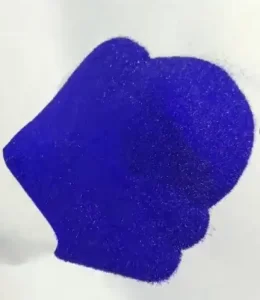
| Copper Peptide GHK-Cu | 89030-95- | Neuro-Regeneration / Fibroblast & Stem Cell Signaling | ≥99.0% Pure Active | 1kg – 500kg Bulk Supply | Volume Wholesale Direct |
| Teduglutide (GLP-2 Analogue) | 287714-30-1 | Gastrointestinal-Brain Axis Repair / SBS | ≥98.5% cGMP Grade | 10g – 5kg Batch Synthesis | Tier 2: Specialized CDMO Rate |
| Eptifibatide Cyclic Peptide | 188627-80-7 | Antiplatelet Aggregation / Neurovascular Ischemia | ≥99.0% Conformance | 100g – 20kg Validated | Generic API Standard Tier |
| Retatrutide / Triple Agonist | 2381089-83-2 | Metabolic-Cognitive Hypothalamic Axis Regulatory | ≥98.5% High Purity | 50g – 100kg Multi-Ton Base | Strategic Contract Pricing |
Overcoming chemical hurdles in neuropeptide manufacturing through proprietary process intensification, automated solid-phase strategies, and robust quality control architectures.
We utilize high-efficiency solid supports (Wang, 2-Chlorotrityl chloride, and Rink Amide resins) with optimized swelling matrices to prevent on-resin sequence aggregation during extended neuropeptide coupling steps.
Multi-stage reverse-phase preparative chromatography utilizing axial-compressed dynamic columns achieves baseline resolution between the target brain peptide and near-neighbor deletion sequences.
For peptides targeting intraparenchymal, intrathecal, or intranasal delivery, endotoxin limits are constrained strictly below standard injectable requirements to protect sensitive neural tissue.
Ensuring reliable raw material supply chains through certified multi-ton capacity, streamlined customs documentation, and 24/7 dedicated sales desk infrastructure.
Dedicated regulatory support for FDA IND submissions, Drug Master File (DMF) filing preparation, and strict cold-chain express shipments with full temperature-logging telemetry.
Direct Contact: [email protected]
Bilingual documentation, custom declaration clearance, and established freight routes for bulk active substance supply tailored for regional clinical trials and commercial supply.
Direct Contact: [email protected]
Direct supply to pharmaceutical development centers in Japan, South Korea, Singapore, and Oceania, supported by expedited door-to-door transit and rapid batch sampling.
Direct Contact: [email protected]
Comprehensive analytical documentation, halal compliance alignment on auxiliary solvents, and commercial supply agreements for emerging pharmaceutical regional hubs.
Direct Contact: [email protected]
Explore the second cohort of our fully validated peptide catalogue, manufactured in Hangzhou under rigorous cGMP environments and ready for immediate deployment.
Critical answers regarding peptide characterization, stability, regulatory filings, and custom manufacturing contracts.
Brain peptides (neuro-active peptides like Selank, Semax, and oxytocin/vasopressin analogues) frequently target neurological pathways requiring stringent control over stereochemical purity, chiral integrity, and exceptionally low bacterial endotoxin thresholds (<0.01 EU/mg). Given that formulation delivery often bypasses systemic hepatic clearance (e.g., via intranasal or direct CNS infusion models), residual TFA must be strictly converted to acetate or hydrochloride salts to avoid neurotoxicity.
Thinheal employs a two-stage preparative column conversion protocol. Following primary reversed-phase purification with ammonium acetate or acetic acid buffers, we execute an automated on-column salt exchange followed by orthogonal ion chromatography testing to ensure residual TFA levels remain below 0.1% or non-detectable, aligning strictly with client-specified monograph limits.
Non-GMP gram-scale research batches typically require 2 to 3 weeks, including sequence synthesis, lyophilization, HPLC purification, and full analytical release (MS, HPLC, moisture, peptide content). Scale-up campaigns from 1kg to 50kg involving full cGMP process validation, ICH-compliant stability testing, and complete batch production records (BPR) generally run 6 to 10 weeks depending on sequence length and cyclization steps.
Yes. Our automated synthesis suites accommodate complex post-assembly chemistries, including intramolecular disulfide bond formation via orthogonal thiol-protecting groups (Acm, Trt, StBu), head-to-tail or side-chain lactam cyclization, N-terminal acylation/palmitoylation (e.g., C16/C18 fatty diacid chains for albumin-binding), and site-specific fluorophore or biotin labeling.
Every commercial delivery includes a comprehensive lot-specific Certificate of Analysis (CoA), complete with analytical RP-HPLC traces demonstrating purity, high-resolution ESI-MS/MALDI-TOF spectrum confirming identity, amino acid analysis (AAA) verifying peptide content, Karl Fischer moisture titration, residual solvent profiles (GC-MS), and heavy metal analysis (ICP-MS).
Peptide APIs are stabilized as lyophilized cakes with verified moisture content below 5.0%. Shipments are packaged in vacuum-sealed amber borosilicate vials or pharma-grade HDPE containers with desiccant inserts, surrounded by qualified phase-change materials (PCM) or dry ice insulation systems calibrated to maintain -20°C or 2-8°C throughout international air transit.
Connect directly with our senior peptide chemical engineers and regional commercial directors in Hangzhou to initiate sequence feasibility reviews or reserve commercial manufacturing capacity.
 Thin