
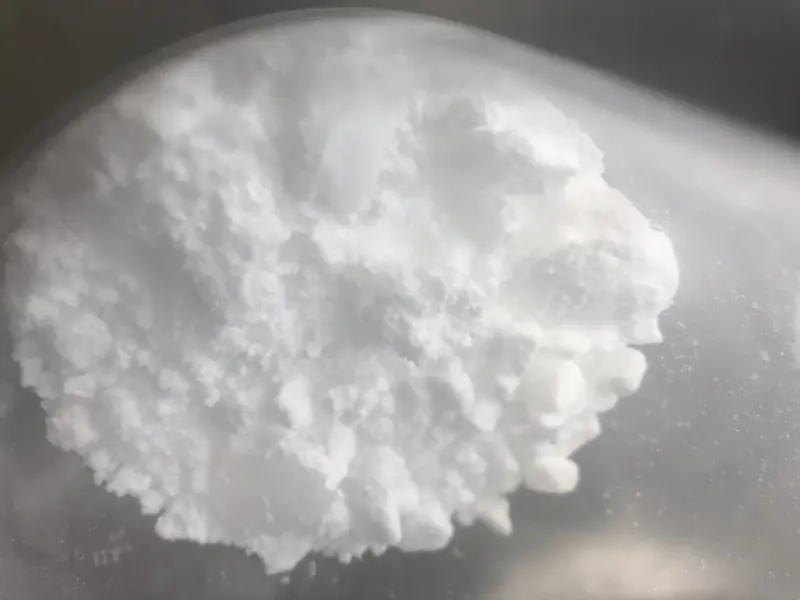
High-Quality BPC-157 CAS:137525-51-0 Quotes, Pricelist

The most notable feature of BPC-157 is its powerful ability to promote tissue repair and regeneration. It is not a traditional growth factor, but rather promotes healing through a synergistic effect of multiple mechanisms. It works through various pathways, including promoting angiogenesis (forming new blood vessels), accelerating collagen synthesis, regulating growth factor expression, and inhibiting inflammatory responses. In preclinical studies to date, BPC-157 has shown extremely low toxicity, with no serious side effects observed even at doses far exceeding the effective level.

Product Description

The most notable feature of BPC-157 is its powerful ability to promote tissue repair and regeneration. It is not a traditional growth factor, but rather promotes healing through a synergistic effect of multiple mechanisms. It works through various pathways, including promoting angiogenesis (forming new blood vessels), accelerating collagen synthesis, regulating growth factor expression, and inhibiting inflammatory responses. In preclinical studies to date, BPC-157 has shown extremely low toxicity, with no serious side effects observed even at doses far exceeding the effective level.

Therapeutic Areas

Based on extensive preclinical studies (primarily in animal models), BPC-157 has shown great potential across several critical therapeutic areas:

1. Musculoskeletal & Soft Tissue

  • Tendon and Ligament Repair: Has a significant effect on promoting the healing of refractory tendinitis, such as Achilles tendinitis, tennis elbow, and rotator cuff injury.
  • Fracture and Bone Healing: Accelerates the structural healing process following bone fractures.
  • Muscle Injury: Effectively reduces recovery duration after muscle tears and alleviates muscle atrophy after injury.

2. Gastrointestinal System

  • Intestinal Damage & Disease: Exerts strong protective and therapeutic actions on gastric ulcers, inflammatory bowel disease (IBD, including ulcerative colitis), leaky gut syndrome, and intestinal anastomosis healing.
  • Organ Protection: Helps mitigate liver and intestinal damage triggered by alcohol, non-steroidal anti-inflammatory drugs (NSAIDs), and other chemical toxins.

3. Nervous System

  • Neuroprotection and Repair: Studies suggest protective effects against brain and spinal cord trauma, while supporting the regeneration of peripheral nerves such as the sciatic nerve.
  • Brain-Gut Axis Regulation: Exerts positive neurobehavioral modulation linked to gut stability, showing beneficial relevance to anxiety and depressive behaviors.

4. Cardiovascular System

  • Cardiac Protection: Shown in animal models to diminish cardiac damage after myocardial infarction (heart attack) and aid functional heart recovery.
  • Angiogenesis: Facilitates the growth of new capillary networks, drastically enhancing vascular flow to compromised tissues.

5. Oral Health

  • Periodontal Tissue Regeneration: Supports alveolar bone reconstruction and periodontal ligament repair, indicating potential therapeutic utility in treating severe periodontitis.

Prospects and Development

The prospects for BPC-157 are widely regarded as promising, but its development path still faces notable translational milestones and hurdles.

Positive Prospects
  • "Broad-Spectrum" Therapeutic Potential: Multi-target and multi-system mechanisms make it an exceptionally versatile candidate drug for numerous pathologies.
  • Huge Unmet Clinical Need: Addresses critical therapeutic deficiencies in tendon and ligament injuries where conventional pharmacological treatments remain insufficient.
  • Strong Safety Profile: Substantial safety margins recorded in preclinical testing establish a robust baseline for advancing toward structured clinical trials.
  • Commercial Value: High clinical and market potential across sports medicine, orthopedics, gastroenterology, and neurology upon prospective regulatory clearance.
Development Challenges & Future Directions
  • Lack of Large-Scale Human Trials: Animal findings must be rigorously replicated in extensive, randomized, double-blind, placebo-controlled human clinical trials. Public human data remains sparse.
  • Regulatory Approval Pathway: Requires systematic Investigational New Drug (IND) submissions (e.g., FDA) through Phase I, II, and III clinical trials—a capital-intensive and prolonged process.
  • Formulation & Delivery Optimization: Targeted development is required to determine suitable administration formats (such as topical hydrogels, oral solid forms, or sterile injectables) for specific indications.
  • Precise Molecular Mapping: Continued investigation is critical to define precise primary molecular receptors and intracellular signaling cascades.

Summary

BPC-157 is a promising multifunctional synthetic peptide that has demonstrated remarkable tissue repair and organ protection capabilities in preclinical studies. Its therapeutic applications span orthopedics, gastroenterology, neurology, and cardiology. However, its future success hinges entirely on replicating the impressive results observed in animal studies in formal human clinical trials. Currently, it remains in the research and exploration phase, and consumers or patients should maintain a cautiously optimistic attitude while awaiting more rigorous scientific evidence.


Frequently Asked Questions (FAQ)

What is BPC-157 and how does it promote tissue healing?
BPC-157 is a synthetic peptide known for its regenerative capabilities. Rather than acting as a standard growth factor, it promotes healing synergistically through pathways such as angiogenesis (forming new blood vessels), accelerating collagen production, regulating growth factors, and attenuating inflammation.
What musculoskeletal injuries can BPC-157 potentially address?
Preclinical research indicates high therapeutic efficacy in treating tendon and ligament issues (such as Achilles tendinitis and rotator cuff tears), speeding bone healing after fractures, shortening recovery times for muscle tears, and countering post-injury muscle atrophy.
How does BPC-157 affect the gastrointestinal tract?
BPC-157 originally demonstrated potent gastroprotective properties. It has shown therapeutic efficacy for gastric ulcers, ulcerative colitis, leaky gut syndrome, and intestinal surgery recovery, while protecting internal organs from NSAID toxicity and alcohol damage.
What safety profile has been demonstrated for BPC-157?
In preclinical animal trials conducted to date, BPC-157 has displayed an exceptionally low toxicity profile, with no significant adverse reactions or severe toxicities reported even at dosage levels substantially higher than therapeutic thresholds.
Is BPC-157 currently approved for clinical use in human patients?
No, BPC-157 is currently in the experimental and research stages. It has not received formal approval as a prescription drug from major regulatory agencies (such as the US FDA), as comprehensive large-scale human clinical trial data is still pending.
What are the key hurdles in translating BPC-157 to medical practice?
The primary obstacles include conducting multi-phase randomized double-blind human clinical trials, securing IND regulatory approvals, identifying the definitive molecular receptors, and formulating targeted delivery mechanisms (e.g., injectables, oral capsules, or topical gels).

Related Products


