Explore our core synthetic peptide portfolio, manufactured to high analytical standards with documented HPLC, mass spectrometry verification, and customizable salt forms.


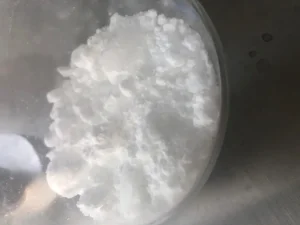
Biomedical engineering is experiencing an unprecedented expansion in therapeutic peptides, demanding next-generation chemical synthesis methodologies that bridge the gap between discovery and multi-ton commercialization.
Therapeutic peptides occupy a unique pharmacological niche positioned between traditional low-molecular-weight pharmaceuticals and high-molecular biologics. They exhibit high target selectivity and affinity toward G-protein coupled receptors (GPCRs) while generating minimal toxic metabolites. However, the commercial synthesis of complex macrocyclic, lipophilic, and multi-branched peptide APIs—such as GLP-1 analogues (Semaglutide, Tirzepatide, Retatrutide) and multi-disulfide peptides (Linaclotide)—poses substantial chemical and industrial hurdles.
Traditional recombinant fermentation often struggles with hydrophobic sequences, non-canonical amino acids, and post-translational fatty acid di-acid side-chain conjugations. Consequently, high-efficiency Solid-Phase Peptide Synthesis (SPPS) and hybrid Liquid-Phase Peptide Synthesis (LPPS) platforms have become the global standard for industrialization. At Hangzhou Thinheal Pharma-Tech, our multi-ton synthesis capabilities mitigate global supply crunches by integrating advanced cleavage regimes, continuous chromatography, and industrial-scale lyophilization.
Purity in therapeutic peptides cannot be defined purely as an HPLC area percentage. Regulatory agencies (US FDA, EMA, NMPA) evaluate related substances, including insertion sequences (+1 amino acid), deletion sequences (-1 amino acid), β-aspartyl shifts, and epimerization (D-enantiomers). True pharmaceutical-grade high-purity peptides necessitate comprehensive analytical orthogonality combining RP-HPLC, UPLC-HRMS, and residual solvent quantification.
Generic pharmaceutical dossiers require rigorous validation batches. Thinheal's nearly two decades of engineering leadership ensures full documentation availability, including Certificates of Analysis (CoA), stability data under ICH Q1A guidelines, residual trifluoroacetic acid (TFA) control profiles, and bacterial endotoxin monitoring.
Why international pharmaceutical developers and global skincare empires partner with Hangzhou's life-science cluster to secure unmatched economies of scale, process reliability, and turnaround speed.
Thinheal operates in Hangzhou's premier pharmaceutical zone, providing direct physical proximity to primary synthesis inputs: Fmoc/Boc-protected amino acids, advanced coupling reagents (HATU, HBTU, PyBOP), specialized polystyrene resins (CTC, Wang, Rink Amide), and organic solvents. This integrated supply chain reduces raw-material lead times by up to 65% compared to Western counterparts.
Our facility houses high-capacity automated solid-phase peptide synthesizers, dynamic axial compression (DAC) preparative HPLC systems up to 600mm columns, and industrial freeze-dryer suites. This robust infrastructure scales production from pilot feasibility grams to multi-ton commercial shipments with repeatable lot-to-lot consistency.
We combine manufacturing scale with western regulatory compliance. Our facilities strictly operate within cGMP guidelines, delivering full audit readiness, traceable supply custody, ICH stability chambers, and complete documentation packages including Drug Master File (DMF) readiness for global clients.
Modern peptide sequences perform distinct physiological roles across human therapeutics, animal health, and cosmetic formulations. Sourcing teams rely on our specialized synthesis modules tailored to each indication.
| Therapeutic Area | Target Peptide Sequences | Physiological Mechanism & Role | Analytical Critical Quality Attributes (CQAs) |
|---|---|---|---|
| Metabolic & Incretin Mimetic APIs | Semaglutide, Cargrilintide, Retatrutide, Orforglipron | GLP-1/GIP/Amylin receptor activation; glycemic regulation, delayed gastric emptying, and appetite suppression for T2DM and obesity management. | Stereoisomeric purity, D-histidine/D-alanine limits, side-chain fatty acid attachment fidelity, aggregate quantification (SEC-HPLC). |
| Gastrointestinal & Enteric Repair | Linaclotide, Teduglutide | Guanylate cyclase-C (GC-C) agonism and GLP-2 intestinal mucosal preservation; targeted treatment for IBS-C and Short Bowel Syndrome. | Correct disulfide bond pairing (Linaclotide requires exact folding of 3 intra-chain bridges), elimination of misfolded regioisomers. |
| Regenerative Medicine & Cellular Repair | BPC-157, Thymosin β4 (TB-500) | Accelerated angiogenesis, VEGF receptor upregulation, focal adhesion formation, tendon-to-bone junction recovery, and wound healing. | Acetate/TFA counter-ion ratios, residual scavenger thresholds (EDT, phenol), high aqueous reconstitutability, low endotoxin (<0.1 EU/mg). |
| Neuroendocrine & Pituitary Modulators | Tesamorelin, Vasopressin | Growth hormone-releasing factor analog for visceral adiposity reduction; V1a/V2 receptor antidiuretic regulation in hemodynamic crises. | Chain length integrity (44-AA for Tesamorelin), N-terminal hexenoyl capping efficiency, baseline truncation absence. |
| Cosmeceutical & Anti-Aging Systems | Palmitoyl Oligopeptides, Acetyl Hexapeptide-8, Copper Tripeptides | SNARE complex inhibition (expression lines), ECM collagen-I/III stimulation, and cellular dermal restructuring. | Lot-to-lot color stability, clear dissolution profile, heavy metal screening (Pb, As, Hg <10ppm), skin compatibility profiles. |
The peptide synthesis industry is evolving rapidly away from petrochemical waste footprints toward eco-friendly and bio-hybrid synthesis methods. Here is how Thinheal pioneers sustainable peptide CDMO practices.
As peptide pharmaceuticals extend beyond 30 to 45 amino acid residues, direct single-chain solid-phase yield drops precipitously due to on-resin steric hindrance and inter-chain association. Chemo-Enzymatic Peptide Synthesis (CEPS) couples shorter, cleanly synthesized peptide fragments using engineered proteases and peptide ligases.
Thinheal utilizes enzymatic ligation platforms to deliver high yields on challenging multi-branched and lipidated targets, bypassing cumulative epimerization and driving final HPLC purities past the 99.0% threshold.
Conventional solid-phase manufacturing requires extensive use of hazardous dipolar aprotic solvents such as Dimethylformamide (DMF) and N-Methyl-2-pyrrolidone (NMP). Under international REACH regulations, pharmaceutical manufacturers must decarbonize and adopt non-toxic alternatives.
Our Hangzhou engineering team incorporates green solvent alternatives—including 2-MeTHF, CPME, and gamma-valerolactone (GVL)—alongside solvent-recovery cycling systems that slash process mass intensity (PMI) by over 40%.
Enterprise procurement professionals and quality assurance directors rely on this standard technical checklist before approving raw peptide API suppliers for regulated clinical trials or commercial manufacturing.
Insist on two orthogonal RP-HPLC chromatograms using distinct stationary phase chemistries (e.g., C18 vs. Phenyl-Hexyl) and varying mobile phase pH (acidic TFA vs. neutral ammonium acetate). This reveals co-eluting sequence truncation variants masked by single-method testing.
Verify molecular mass using ESI-TOF or MALDI-TOF mass spectrometry with isotopic resolution. For complex chains exceeding 30 amino acids or containing multiple disulfide bridges, insist on LC-MS/MS peptide fragmentation mapping to prove sequence fidelity.
Peptide synthesis routinely leaves residual Trifluoroacetate (TFA) salts, which can induce cytotoxicity in cellular assays and human in-vivo formulations. Qualified suppliers must provide ion-exchange protocols to convert APIs to Acetate or Hydrochloride salts, with TFA verified <0.1%.
Raw weight does not reflect true peptide concentration due to bound water and counter-ions. Reliable suppliers perform quantitative Amino Acid Analysis (AAA) or elemental Nitrogen analysis to disclose actual Net Peptide Content (typically 75% to 88%), preventing dosing inaccuracies.
For injectable formulation dossiers, total bacterial endotoxin (LAL test) must meet stringent pharmacopeial criteria (typically <5 EU/mg, or <0.05 EU/mg for central nervous system targets). Production must take place under verified ISO Class 5 to 7 cleanroom conditions.
Lyophilized peptides can degrade through deamidation, oxidation of methionine, and aggregation if exposed to ambient heat and humidity. Sourcing agreements must mandate continuous temperature monitoring data-loggers maintaining -20°C or 2-8°C across shipping routes.
Direct technical answers to common queries submitted by global procurement teams, regulatory affairs executives, and formulation researchers.
Explore our broader line of specialized peptide sequences available for contract research, generic drug manufacturing, and high-volume commercial formulation.

 Thin