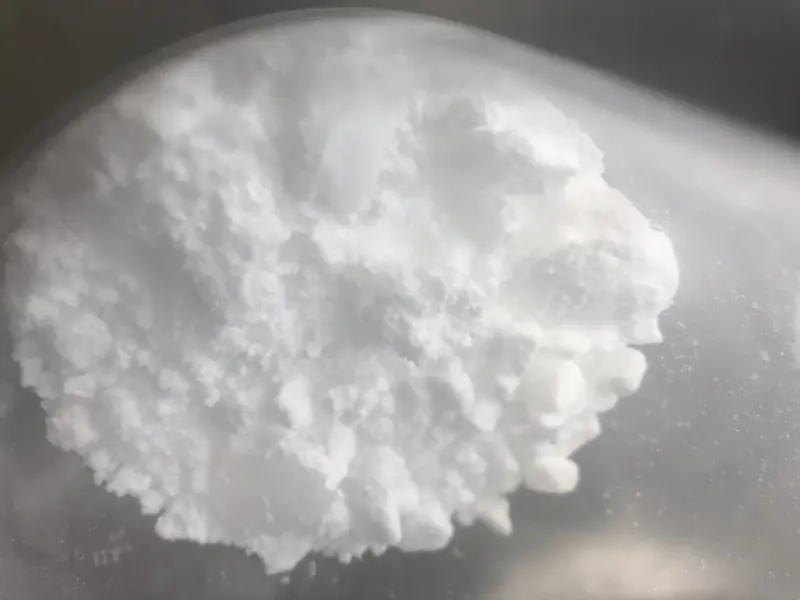
High-Quality Thymalin CAS:63958-90-7 Manufacturers, Service

Thymalin is a thymus-derived polypeptide (composed of 5 amino acids) initially isolated from bovine thymus extract. As a synthetic analog of thymic hormones, it plays a crucial role in regulating the immune system, enhancing immune function by promoting the maturation, differentiation, and function of T lymphocytes. Clinically, it is primarily used to treat immunodeficiency states, infectious diseases, and diseases associated with weakened immune function.

Product Description

Thymalin is a thymus-derived polypeptide (composed of 5 amino acids) initially isolated from bovine thymus extract. As a synthetic analog of thymic hormones, it plays a crucial role in regulating the immune system, enhancing immune function by promoting the maturation, differentiation, and function of T lymphocytes. Clinically, it is primarily used to treat immunodeficiency states, infectious diseases, and diseases associated with weakened immune function.

Therapeutic Areas

Human Nervous System Connection
Vasopressin and cardiovascular regulation
Immunodeficiency Diseases
Used for congenital or acquired immunodeficiency, such as recurrent infections or postoperative immunodeficiency states.
Infectious Diseases
Serves as adjunct therapy for chronic viral infections (such as hepatitis B and HPV infection), bacterial infections, and tuberculosis.
Supportive Care for Tumors
Functions as an immunomodulator after radiotherapy and chemotherapy to reduce immunosuppression and improve quality of life.
Age-Related Immune Decline
Helps alleviate age-related thymic atrophy and counteracts the gradual reduction in immune function.
Autoimmune Diseases
Use with caution: Selected studies have explored its role in balancing the immune response, but potential risks should be noted.

Outlook & Development

R&D Trends
  • Combination therapy: Used in combination with vaccines, antiviral drugs, or tumor immunotherapy to enhance overall efficacy.
  • Novel delivery systems: Researching nanocarriers or long-acting formulations to improve bioavailability.
Market Potential
  • Growing demand: With an aging population and increasing demand for immunotherapy, thymopeptides maintain a stable market in supportive cancer care and infection management.
  • Regulatory status: Included in clinical guidelines in countries like Russia and China, while regulatory approvals in Europe and the United States remain limited.
Challenges & Limitations
  • Mechanism of action: Multi-target characteristics mean that the precise mechanism requires further elucidation.
  • Level of evidence: Clinical data for specific indications still lacks support from large-scale randomized controlled trials.
  • Competitive pressure: Novel immunomodulators (such as PD-1 inhibitors) may limit traditional application scope.
Future Direction
  • Precision medicine: Screening specific responders using targeted biomarkers to optimize treatment strategies.
  • Anti-aging research: Exploring direct therapeutic potential in reversing immunosenescence.

Conclusion

Thymalin, as a classic immunomodulator, retains measurable value in specific clinical scenarios. Nonetheless, higher-quality clinical studies remain essential to validate its full efficacy profile, and its indications should be expanded through modern technological delivery improvements and strategic combination therapies. In the future, it holds key promise in immune repair for aging populations as well as adjunctive application alongside anti-tumor treatments.

Frequently Asked Questions

What is Thymalin and what is its primary biological role?
Thymalin is a synthetic polypeptide analog composed of 5 amino acids, initially derived from bovine thymus extract. It regulates the immune system by stimulating the maturation, differentiation, and operational capacity of T lymphocytes.
What are the key clinical indications for Thymalin therapy?
Clinically, Thymalin is primarily used for immunodeficiency states (both congenital and acquired), chronic infectious diseases (such as tuberculosis, hepatitis B, and HPV), supportive post-chemotherapy and post-radiotherapy care in cancer patients, and age-related immune decline.
Can Thymalin be used safely in patients with autoimmune disorders?
Thymalin must be used with caution in autoimmune cases. While a limited number of studies have investigated its potential to balance overall immune response, potential immunological risks have been noted.
In which regions is Thymalin recognized or clinically approved?
Thymalin has been formally incorporated into clinical treatment guidelines in countries such as Russia and China. However, regulatory approvals and adoption remain limited across Western Europe and the United States.
What are the main scientific challenges currently facing Thymalin?
Its multi-target nature means its exact cellular mechanisms are not yet fully elucidated. Additionally, there is a relative lack of large-scale randomized controlled trials (RCTs), alongside competitive pressure from modern targeted biologics like PD-1 inhibitors.
What future therapeutic directions are being investigated for Thymalin?
Current research explores innovative delivery systems like nanocarriers, precision patient screening via biological markers, combinations with standard cancer immunotherapy, and its potential in reversing immunosenescence (age-related immune decline).

Related Products